
Floating Hardwood Floors vs Nail Down Installation for Second Story Remodels
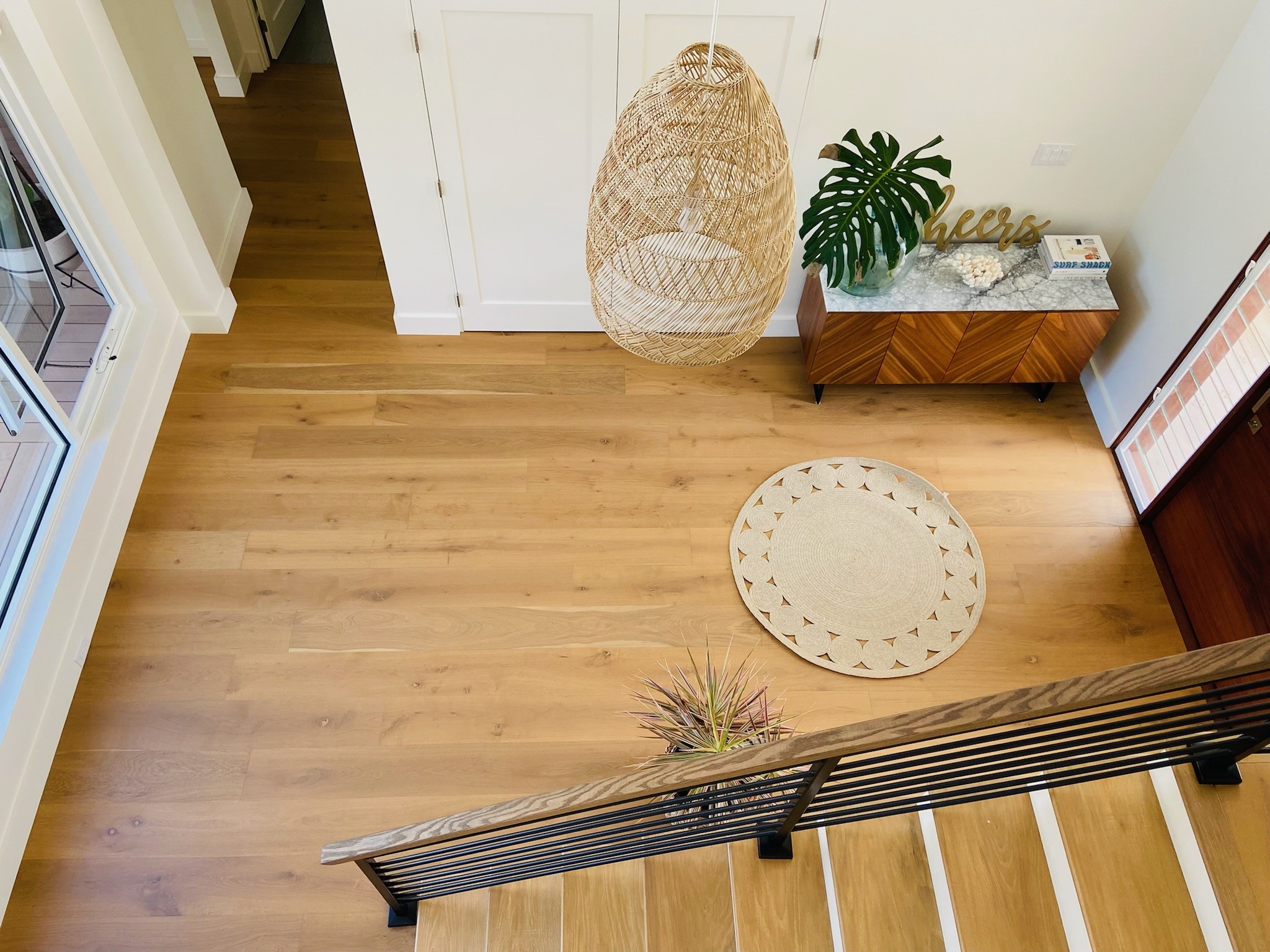
Floating hardwood floors continue to gain attention during second story remodels, especially in Bellevue-area homes where homeowners want a balance between style, comfort, and installation flexibility. At the same time, traditional nail down hardwood installation still holds a strong reputation for long-term stability and a classic underfoot feel. Choosing between the two often depends on the structure of the home, noise considerations, subfloor conditions, and the goals of the remodel itself.
In many upstairs renovation projects across Bellevue, Kirkland, Sammamish, and surrounding Puget Sound communities, homeowners are also trying to minimize disruption while upgrading older flooring materials. That is where installation method becomes just as important as the hardwood product itself. At Carpet To Go, we often help homeowners compare the pros and tradeoffs of each approach during the planning stage, especially when evaluating different hardwood flooring options for upper-level spaces.
Why Second Story Installations Require More Planning
Second story remodels come with structural and acoustic considerations that are not always as noticeable on ground-level floors. Foot traffic noise, stair transitions, and subfloor movement can all affect how the finished floor performs over time.
Floating hardwood systems are designed to sit above the subfloor rather than being mechanically fastened into it. Because of this, they can help reduce installation time and work well in remodels where preserving the existing subfloor is important. Many engineered hardwood products are specifically designed for floating applications, making them popular in modern upstairs renovations.
Nail down installation, however, physically secures the flooring to a wood subfloor using nails or staples. This creates a very solid and traditional hardwood feel underfoot. In homes with stable plywood subfloors and long-term renovation goals, nail down installation remains a highly trusted method.
Sound Control Often Becomes A Major Factor
One of the biggest concerns during upstairs remodels is sound transmission between floors. Floating hardwood installations usually require an underlayment layer beneath the planks, which can help soften footstep noise and reduce echo throughout the room.
This can make floating systems appealing in busy family homes, especially when bedrooms or home offices are located below the remodeled area. In multi-level homes throughout Bellevue and Seattle, quieter flooring performance can noticeably improve everyday comfort.
Nail down floors typically produce a firmer and slightly louder walking sound because the planks are directly attached to the subfloor. While many homeowners still prefer that traditional feel, additional sound control measures may sometimes be recommended during the remodel process.
Subfloor Conditions Can Influence The Best Choice
The condition of the existing subfloor often determines which installation method makes the most sense. Floating hardwood floors can sometimes be installed over minor subfloor imperfections more easily than nail down systems.
Older second story remodels occasionally reveal uneven areas, small height differences, or aging surfaces that require preparation work. Floating systems may provide a bit more flexibility in these situations while helping keep installation timelines manageable.
Nail down hardwood installation generally requires a very stable and properly prepared wood subfloor. Since the planks are mechanically fastened, inconsistencies underneath the flooring may become more noticeable if the subfloor is not properly corrected beforehand. During remodel planning, many homeowners also compare hardwood with other materials like laminate flooring when evaluating durability, sound, and maintenance needs for upstairs spaces.
Long Term Feel And Performance Create Different Experiences
Many homeowners love nail down hardwood because of its classic solid feel. The flooring tends to feel extremely stable underfoot, which is one reason it has remained popular for decades in traditional home construction.
Floating hardwood floors have improved significantly over the years, especially with modern locking systems and engineered wood technology. In many homes, the difference in appearance between the two methods is minimal once installation is complete.
Lifestyle also plays a role in the decision. Families planning a faster remodel timeline or homeowners wanting less invasive installation work may appreciate the efficiency of floating systems. Others focused on achieving a more permanent traditional hardwood structure may lean toward nail down installation.
Comparing Installation Timelines Before Remodeling Begins
Installation speed can affect the overall remodel experience, especially in occupied homes where upstairs rooms are still being used during portions of the project.
Floating hardwood installations are often completed faster because they involve less fastening work and can sometimes require less intensive subfloor preparation. This can help reduce disruption during active remodel schedules.
Nail down hardwood projects may involve more detailed preparation and installation steps, but many homeowners feel the long-term performance and traditional craftsmanship are worth the additional time investment. Scheduling an in-home measure early in the planning process can help identify which installation method fits the home’s structure and remodeling goals most effectively.
Explore Hardwood Options That Fit The Remodel Vision
Second story remodeling projects benefit from careful planning long before installation begins. Whether the goal is a quieter floating floor system or a classic nail down hardwood installation, the right approach depends on the layout, subfloor, and lifestyle needs of the home. Visit us to explore flooring solutions that fit homes across Bellevue and the greater Puget Sound area.