
Mixed-Width Hardwood Planks for Real Old-World Character
There is something about an old farmhouse floor that newer rooms often struggle to capture. The boards stretch out in different sizes, the grain wanders freely, and every plank seems to carry a little history of its own. That gentle irregularity is exactly what gives a room its warm, lived-in soul.
For centuries, floors were laid with whatever good lumber a builder happened to have on hand. That meant widths rarely matched from one board to the next, and no two rooms looked quite alike. Today you can recreate that same honest character on purpose, and quality hardwood flooring makes it easier than ever to get right.
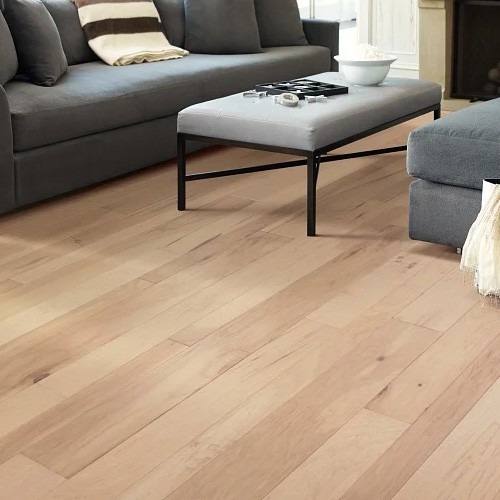
Where Old World Floors Get Their Soul
Mixed-width planks work because they break the uniform, factory-perfect grid that modern floors tend to fall into. When wide boards sit beside narrower ones, the eye reads the floor as something crafted rather than mass-produced. It is a small change in layout that completely shifts the mood of a space.
The beauty of the approach is that it feels intentional and relaxed at the same time. You are not chasing perfection, you are inviting a little character. That balance is what makes these floors feel so welcoming year after year.
How Varied Plank Widths Tell A Story
A classic old-world floor might pair planks of three, five, and seven inches across, repeating in a loose rhythm rather than a strict pattern. The wider boards show off more grain, more knots, and more of the wood’s natural personality. The slimmer ones keep the overall look balanced and grounded.
Arranged thoughtfully, these widths create gentle movement that draws the eye across the room. The floor never feels flat or repetitive, and it rewards a second look. That sense of depth is hard to achieve with a single, uniform board size.
Choosing Widths That Suit Your Rooms
Larger rooms tend to welcome bolder mixes, since generous floor space lets wide planks breathe without overwhelming the design. In cozier spaces, a tighter blend of medium and narrow widths keeps the look from feeling busy. The proportions of the room can guide you toward the right balance.
Seeing the wood in person always helps, because tone and width read differently once they are spread across an actual floor. Browsing a range of hardwood options lets you picture how each combination will look underfoot in your home. A little exploring up front leads to a floor you will love for decades.
Species, Finishes, And Worn-In Charm
Oak, hickory, and walnut each bring a different personality to a mixed-width floor, from soft golden warmth to deep, dramatic grain. Pairing the right species with varied widths lets you lean rustic or refined, depending on the feeling you are after. The wood itself does much of the storytelling.
Finish matters just as much as width when you are chasing that aged look. A wire brushed or handscraped surface softens the boards and catches the light beautifully, reinforcing the sense that the floor has always been there. These textures and varied widths were practically made for each other.
Planning The Look Before Installation
Getting the rhythm right takes a little forethought, since the placement of each width affects how natural the finished floor feels. A thoughtful approach to hardwood installation keeps the boards balanced, the seams clean, and the pattern flowing smoothly from room to room.
With the right planning, the floor looks effortless even though every plank was placed with care and intention. The mix should feel discovered rather than arranged. That quiet craftsmanship is the heart of true old-world character.
Bring Old World Warmth Home
We at Carpet To Go have spent more than thirty years helping homeowners across Bellevue, Seattle, and the greater Puget Sound find floors with real character. If mixed-width planks have caught your imagination, our in-home consultation lets you see large samples in your own light before you commit. We would love to help you create a floor that feels timeless from the very first step.